

Calibrating a process meter is a critical step to ensure its accuracy and reliability in measuring various parameters such as stress, temperature, move, or another course of variable. The calibration process involves comparing the meter readings to a identified reference commonplace and adjusting the meter accordingly. Here is Go to this site on tips on how to calibrate a course of meter:
Gather Necessary Equipment:
Obtain a reliable and correct reference normal for the specific parameter you're calibrating (e.g., a calibrated strain gauge, temperature calibrator, flow meter).
Ensure that you've the required instruments and accessories for the calibration process, such as tubing, connectors, and adjustment tools.
Prepare the Environment:
Ensure that the setting is steady and conditions are consistent with the working situations of the process meter.
Check for any environmental factors that could affect the accuracy of the calibration, similar to temperature, humidity, or electrical interference.
Perform Pre-Calibration Checks:
Inspect the method meter for any seen damage or signs of damage.
Verify that the meter is clear and free from any contaminants that could affect its efficiency.
Check the ability provide and ensure that the meter is functioning correctly.
Connect the Reference Standard:
Connect the reference commonplace to the method meter utilizing applicable adapters and tubing.
Ensure a secure and leak-free connection between the meter and the reference commonplace.
Adjust Zero Reading:
With no enter signal utilized, modify the method meter to read zero according to the reference commonplace.
This step corrects any offset within the meter's zero studying.
Apply Calibration Points:
Apply a collection of identified enter signals to the process meter throughout its measurement vary.
Compare process meter calibration lab to the reference commonplace readings at every calibration level.
Adjust the method meter as necessary to match the reference commonplace.
Document Calibration Data:
Record the readings from each the method meter and the reference commonplace at each calibration level.
Document any changes made to the process meter.
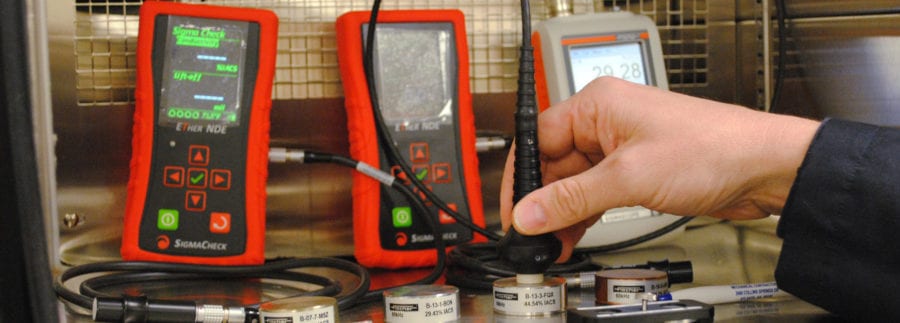
This documentation is important for traceability and high quality control functions.
Perform Final Checks:
After calibration, carry out a final verify to make sure that the method meter readings are correct and within acceptable tolerances.
Update Calibration Records:
Update the calibration data for the method meter, indicating the date, technician, and any changes made in the course of the calibration process.
Calibration Certificate:
If applicable, concern a calibration certificates that includes particulars of the calibration course of, results, and any changes made.
Remember that the specific steps could range relying on the kind of course of meter and the parameter being measured. Always comply with the manufacturer's tips and suggestions for calibration procedures outlined within the meter's consumer manual..