

When you carry out work on structures shared with or near a neighbour's property, the correct course of action would be to issue a notice under the Party Wall etc Act 1996. But what comes next? This article describes the procedure that follows the issuance of a notice, explaining how to approach a dispute to your notice, and what things to expect from the Party Wall Award.
Imagine if a Dispute Arises?
Once you have issued a notice under the Party Walls etc Act, if agreement can't be reached between neighbouring parties or the notice has expired, the problem is in dispute.
The process is really as follows:
1. Surveyors are often appointed by each one of the Owners. Alternatively, the parties can appoint an 'Agreed Surveyor', who is acceptable to all parties.
2. The Agreed Surveyor, or the individual Surveyors jointly, will produce an Award which must be fair and impartial to all or any parties.
3. Where each one of the Owners appoints a surveyor, they jointly select a Third Surveyor who in the event that the appointed surveyors cannot acknowledge any point will become an 'umpire'.
The Publication of an 'Award' or 'Party Wall Award'
The Award usually includes the following elements;-
1. The scope of the works proposed by the Building Owner together with any ancillary temporary works and protection to avoid damage.
2. Party Wall Surveys Barnes Cray of Condition, that is an agreed record between the surveyors of the adjoining properties condition that's likely to be affected by the proposed works.
This Schedule is re-checked upon completion of the works, and any damage noted.
3. A WAY Statement and drawings (architectural/structural engineers) which indicate how the work is usually to be carried.
4. A list of hours and days of permitted noisy dealing with regard to the matters awarded - the Award will not control noise, pollution, hours nor days of working in the remainder of the website.
5. The proper for either of the appointed surveyors to possess access to inspect the works. That is for the surveyor to check on that the works are being carried out as agreed, and allows the surveyor to inspect the neighbouring property for damage or a particular constructional detail.
6. A confirmation of who's responsible for the fees for drawing up the Award and for checking that the task has been carried out relative to the award. It is usual for the Building Owner to cover all costs connected with drawing up the Award if the works are solely for his benefit.
7. A confirmation of who's responsible for payment for the works. That is usually the Building Owner because they are for his benefit. However, you can find cases where in fact the Adjoining Owner could be responsible for paying for part of the cost, for example: where work to a celebration wall is needed because of defects for which the Adjoining Owner is responsible or where he requests work to be achieved for his benefit.
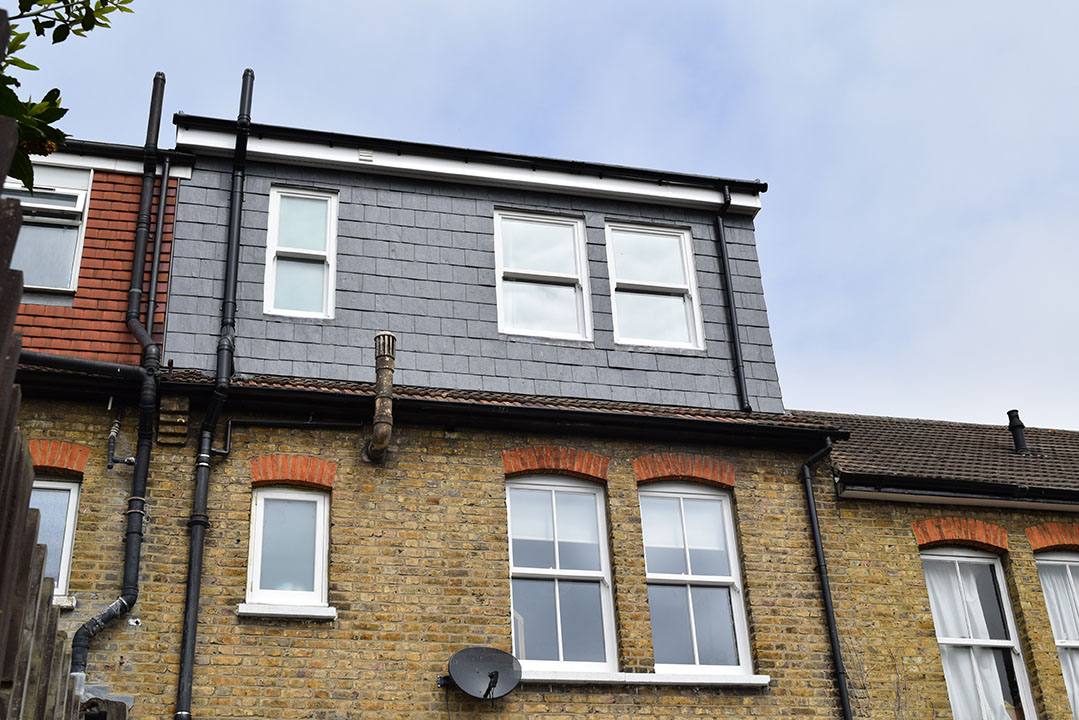
8. A requirement that prior to the works going ahead that unconditional planning permission (normally planning permission is granted with conditions and these ought to be extinguished) is set up in addition to building regulation approval.
9. Provision for the surveyors to create further Awards, for instance; where the scope of the works alters because of site conditions or upon the works being opened up.
After Click here for more info of the 'Award' or 'Party Wall Award'
After 2 weeks have elapsed without an appeal being made to the County Court by either Owner on the grounds that the Award has been made improperly the Building Owner is at liberty to commence the works.
Upon completion of the works, the surveyors will check the Schedule of Condition and note if any damage has occurred. Any noted damage as a consequence of the works becomes the liability of the Building Owner to repair/renew/re-decorate OR instead agree a compensation amount to be paid to the Adjoining Owner
All work must comply with the Award. The Award ought to be retained and kept with the deeds for future reference as it should be produced with confirmation there are no outstanding matters during the conveyance of either of the properties detailed in the Award.