

A flour mill is actually a facility or machines used for milling grains into flour. Flour milling offers been a basic process in individual civilization for hundreds of years, providing a staple food origin in many cultures. Flour mills can easily vary widely throughout scale and class, from small hand-operated mills to big industrial complexes.
The basic process associated with flour milling consists of cleaning and training the grains, milling them into flour, and then refining in addition to packaging the flour for distribution. This a brief review of the normal steps involved in flour milling:
Cleanup and conditioning: The grains, usually wheat or grain but also various other grains like corn, rice, or barley, are cleaned to remove any impurities for example dirt, stones, or other foreign materials. They may likewise undergo conditioning to be able to adjust their humidity content and improve their milling qualities.
Milling: The cleaned and conditioned cause are then passed through a series involving milling machines, which in turn crush and mill them into flour. https://cannon-hays.federatedjournals.com/porridge-is-a-variety-of-hot-cereal-made-by-preparing-food-grains-in-normal-water-or-milk-until-they-soften-in-addition-to-thicken-into-the-creamy-consistency milling procedure typically involves various stages to steadily reduce the feed particles to typically the desired fineness.
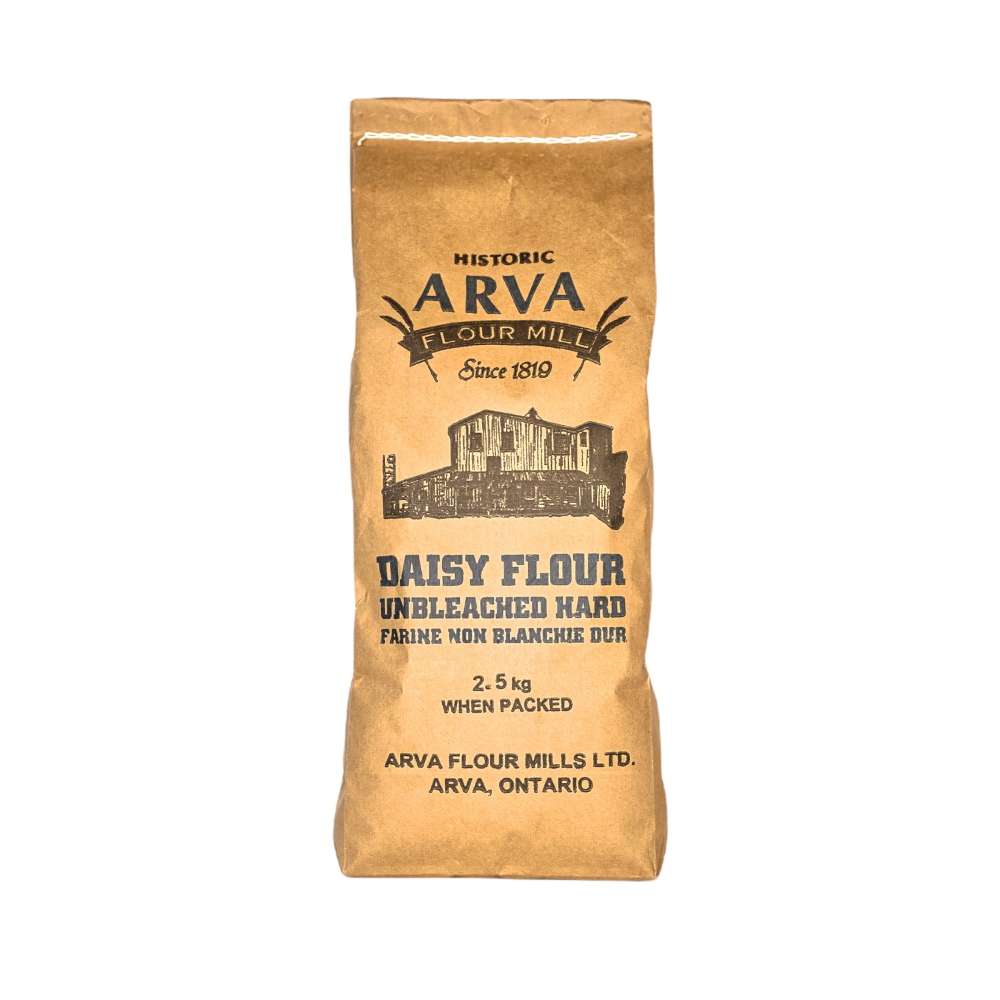
Sifting and refining: Following milling, the flour is frequently sifted in order to separate the smaller flour particles through the coarser grain and germ. Check out the post right here may be done using displays or air power to separate typically the different components. Typically the flour may also go through further refining procedures to improve their quality or remove any remaining impurities.
Packaging and distribution: Once the flour have been milled in addition to refined, it is packaged into hand bags or other storage containers for distribution to be able to consumers. Based on the size of the operation, this may include automated packaging systems or manual work.
Flour mills can easily vary in dimensions and capacity, by small local generators serving a community or region in order to large industrial mills producing flour about a commercial size for national or international markets. Along with wheat flour, numerous mills also generate other types of flour, such as cornmeal, rice flour, or specialty flours for specific culinary reasons.
Overall, flour generators play an important position in the food supply chain, providing a vital ingredient for a broad variety of baked goods in addition to other foods consumed around the planet.